
Dog agility happens fast. The dog shoots out of the gate, weaves through poles, clears jumps, and dives through tunnels in less than a minute. For handlers and coaches, that speed makes it nearly impossible to catch every detail in real time.
That’s why Bad Dog Agility has made video a core part of how they train and coach. What started as a tool for their own improvement has now become a cornerstone of how they teach students both in person and online.
“We are very analytical, video review has always been a part of how we improve as dog trainers and agility competitors. What Onform did was let us use that same analytical approach with our students.”
Here are the three video habits Bad Dog Agility uses to help their students improve faster.
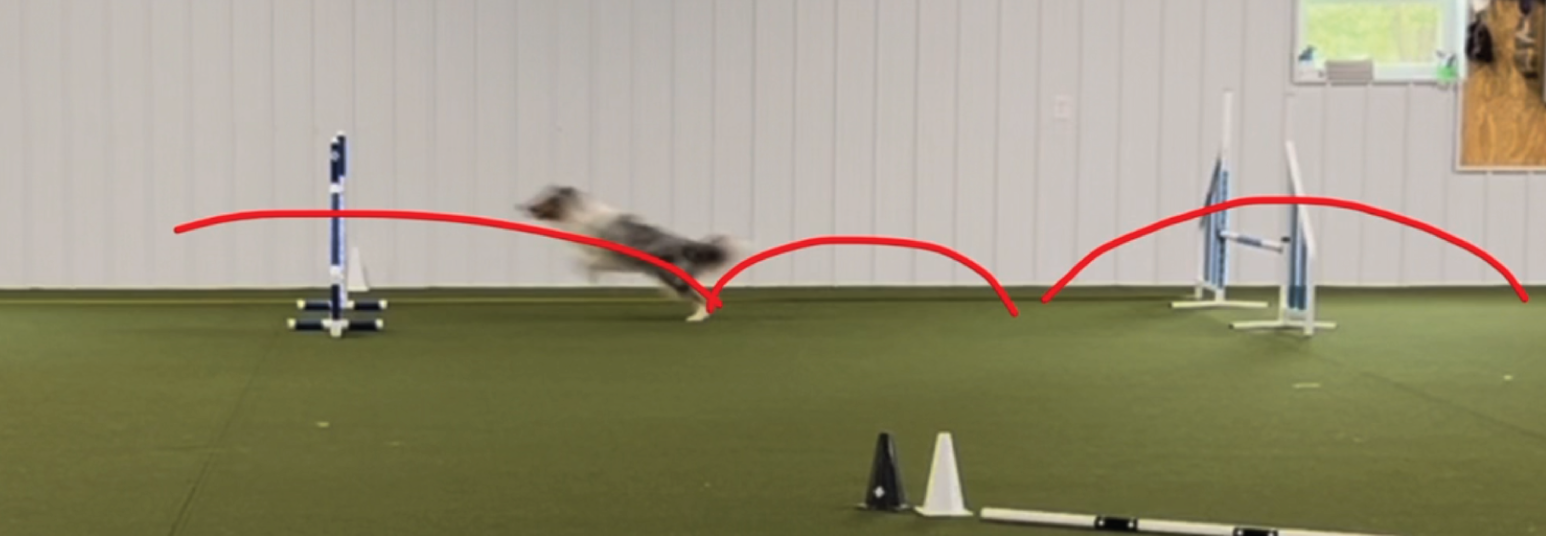
1. Make Recording Easy So You Will Actually Do It
The hardest part about video is not the analysis. It is pressing record in the first place.
If the setup is too complicated, most people will stop doing it. That’s why Bad Dog Agility’s philosophy is to keep it simple.
“I recommend that you use your smart phone as your taping device. The most important feature of your technology is that it is convenient enough that you actually use it.”
Sarah’s solution is to keep a bendy tripod on a ladder in the agility field and records with her iPhone.
“I want to be able to walk out the back door, slap my phone on a tripod and be taping in under a minute.”
This habit has made recording part of their routine. By making it easy, she makes it consistent. That consistency means their students always have material to review and coaches always have the detail they need to give specific feedback.

2. Look for What the Dog Actually Sees
Agility is a partnership between handler and dog. The handler may think their body is giving clear cues, but the dog may see something very different. Video bridges that gap.
“The most valuable thing that I see on review is exactly where the dog is looking. It’s also super important to pause the video at the moment the dog NEEDS information and see what your body is telling them.”
This simple habit changes the way Bad Dog Agility coaches. By pausing at key moments, they can evaluate whether the handler was giving the dog the right information at the right time.
“We didn’t realize the dog slipped until we watched the video.”
Other times, they reveal larger patterns, like when a handler’s shoulders consistently pull the dog off the intended line or when hesitation in body language creates stress.
Video gives coaches a chance to evaluate both partners on the team. The handler’s timing and position, and the dog’s focus and comfort level, can all be studied frame by frame. Students can truly understand through video what their dog is seeing and how their own body language is influencing the outcome.
3. Use the Right Tools to Give Better Feedback
Recording the run is the first step. The next step is giving feedback that is specific and easy to follow.
Before Onform, the process at Bad Dog Agility was time consuming. They used to import to an analysis tool, analyze, export to their camera roll, import to YouTube, and share the link with students. They would have to refer to timestamps like “you were late on your front cross at 1:23” or send out written notes.
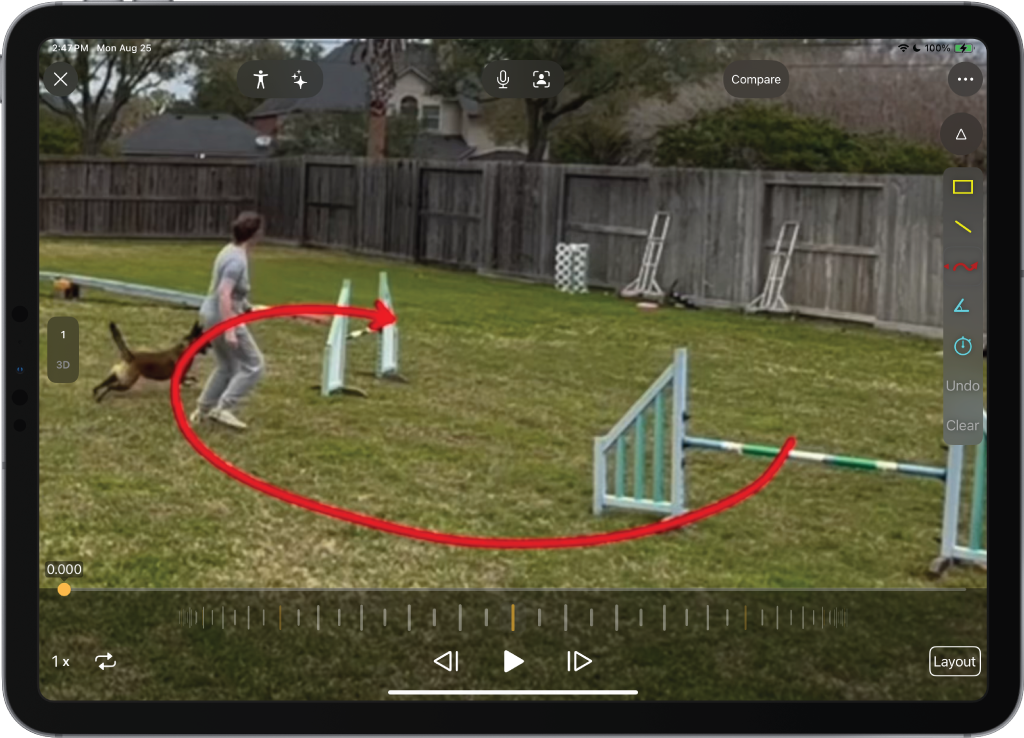
Onform changed the way they coached. Now, they analyze the video in Onform, and send their students the link. They’re able to include feedback directly on the video with voice-overs and drawing tools.
She uses three tools in nearly every lesson:
- Voice-over so students can watch what they’re doing as they listen to their feedback.
- Drawing tools to circle jumps, draw alternative paths, and highlight lines of sight.
- Side-by-side comparison to show which handling choice lead to the fastest time.
“The side by side is amazing for showing which choices lead to the fastest times. Previously everyone just goes by gut, but that is OFTEN deceptive, and only the clock will give you the true answer.”
How Video Transformed Her Business
Video changed the way Bad Dog Agility runs their entire business.
“Video is the reason we can take what used to be an in person coaching experience and successfully do it online, asynchronous,and remote.”
Students now send in videos from each trial, and coaches can track progress over the course of a season, compare runs, and highlight growth. Video has made it possible to deliver a level of coaching remotely that was once only available in person.
This approach also allowed Bad Dog Agility to expand beyond their local community. They can coach students anywhere in the world and still provide the same level of insight.
“Simply offering your services online will have little impact unless you already have global recognition. You will need to put a lot of effort into building an audience over time. Start your mailing list now.”
Video is essential to Bad Dog Agility’s business. It shows exactly where the dog is looking, measures the handler’s timing, and reveals mistakes that the naked eye cannot see.
By keeping recording simple, focusing on what the dog sees, and using tools that make feedback precise, they have built a system that both helps students improve faster and expands their reach.
“The difference between watching and really seeing is… looking for what could be better in almost every frame.”
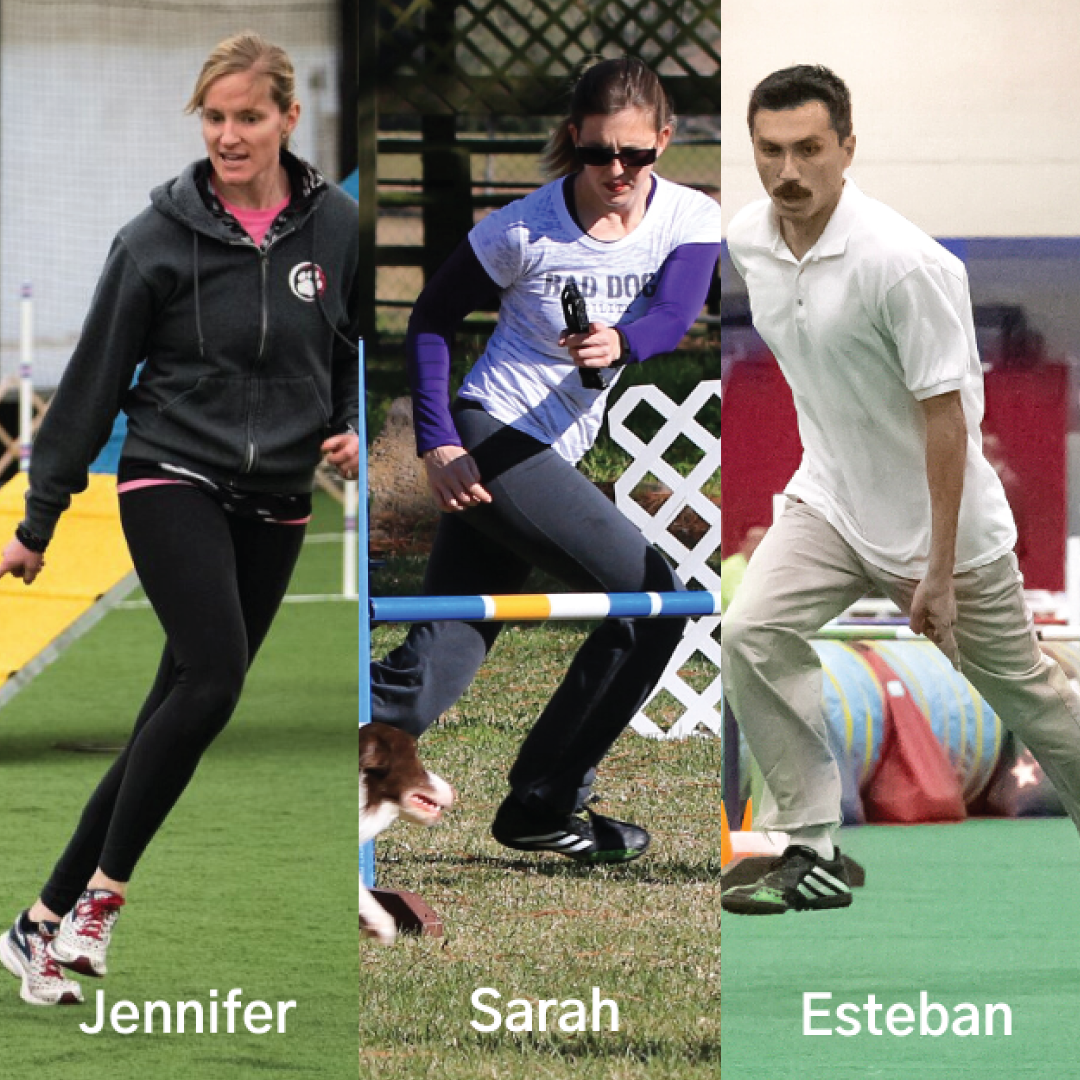
Bad Dog Agility has been a trusted name in the agility community since 2011–12. They are best known for their Bad Dog Agility Podcast, which has over 1.3 million downloads. Since 2013, they have offered high-quality online instruction through the Bad Dog Agility Academy, blending expert coaching with practical tools for handlers and dogs.
Through podcasts, online classes, video analysis, and resources for every level, they make training accessible to a global community of competitors. Their mission is to bring clarity, consistency, and fun to agility by combining expert instruction with practical tools that teams can use every day.