
Whether you’re a professional, top college player or high-handicap amateur, everyone is looking for the latest “secret” to improve their golf game. But after decades on the PGA and Champions Tours, I’ve realized the secret is usually just doing the simple things better than anyone else.
Take a recent student of mine — the physician’s assistant (PA) at my doctor’s office. For nearly three years, he’d been taking weekly lessons from a high-profile instructor in the area. He was stuck in the high 70s and, frankly, getting worse.
He showed me some videos, and I could see the problem immediately. He wasn’t getting his money’s worth because he was drowning in complex theories while his fundamentals were falling apart.
I told him, “Come see me once.” Last June, we got serious. By December, after only seven lessons, he was a different player. He used to get three shots a side from the best player at his golf club. Now, he only gets one. His friends are asking what happened to his swing.
The answer wasn’t some magic adjustment or top-secret tip. It was a return to reality.
From All-American to Pro Without a Single Lesson
My path to the Tour wasn’t typical. Growing up in the 1970s in Metropolis, Illinois, golf wasn’t something you over-analyzed.
I used to call it my “summertime babysitter.” My parents would drop me off at the course at 7 a.m. I used to go to the range and hit 100 balls using every club in my bag. I didn’t have a coach. I just had my eyes. I’d watch the best players and emulate what I saw.

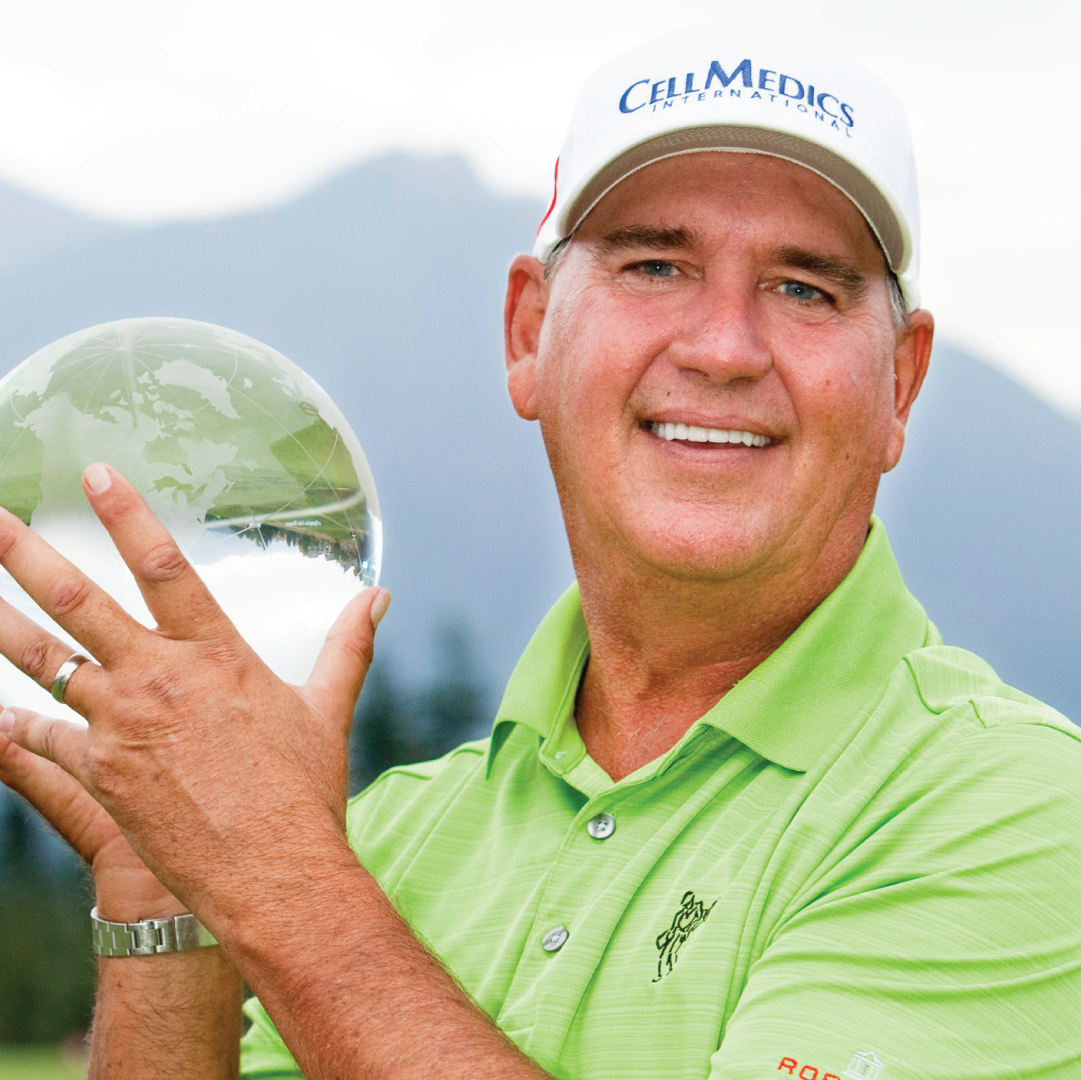
As a multisport athlete, baseball was my first love. I was drafted out of high school as a pitcher, but I decided to pursue collegiate golf. I ended up at Lamar University, which had a strong men’s golf program back then, and ended up becoming an All-American.
Even through college and my first year on the PGA Tour, I never had an official golf lesson. It wasn’t until I lost my card and struggled as a rookie that I realized I needed to decipher the “how” behind the “what.”
I started studying The Golfing Machine and eventually met Lynn Blake, who helped me condense everything I was seeing into a system I could actually use. My game actually got better as I got older because I finally had the right information.
Why Basics Trump High-Tech ‘Crutches’
Today, golf instruction is obsessed with technology. I see instructors who have $50,000 force plates, Trackman or other top-end launch monitors. You simply don’t need all that stuff to coach a 10-handicap golfer.
Look, I own all that gear. I used it for my own game when I was tweaking .1 or .2 degrees of club path. But if you need a force plate to tell you why a guy is slicing it 40 yards into the woods, you aren’t a very good instructor.
I focus on the basic fundamentals:
- The Grip: I’ve seen high school kids taking weekly lessons for four years with grips so strong the clubface points at the ground at the top of the swing. If the grip is wrong, everything else is just compensation.
- Posture: You can’t make a repeatable move from a bad setup.
- Visual Learning: People learn with their eyes.
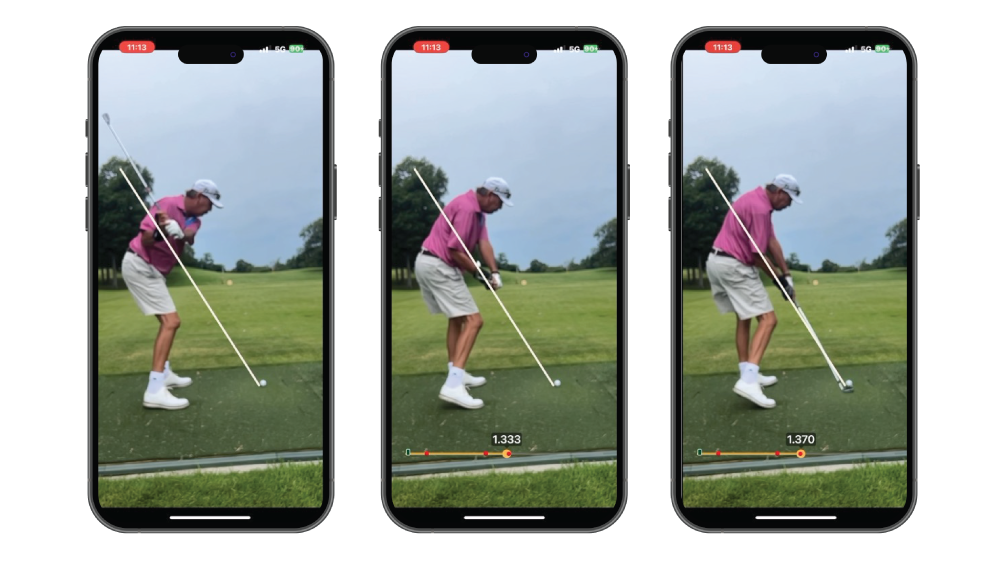
That’s why I use the Onform. It’s not about over-indexing on data. It’s about the fact that the brain learns through pictures. I can record a swing, draw a few lines, and show a student exactly where they are versus where they need to be. When they see it, they can do it.
I always tell my students: there is no such thing as muscle memory. Muscles don’t have memories, only your brain does. You have to upload the right software into your mind. Once you have a clear picture of the movement, your body will follow.
In just seven lessons, the student I mentioned earlier didn’t reinvent the wheel. We fixed his grip, cleaned up his posture, and used video to make sure his brain was seeing the right image.
Now, he’s shooting par. It’s not a miracle. It’s just good housekeeping of the fundamentals.
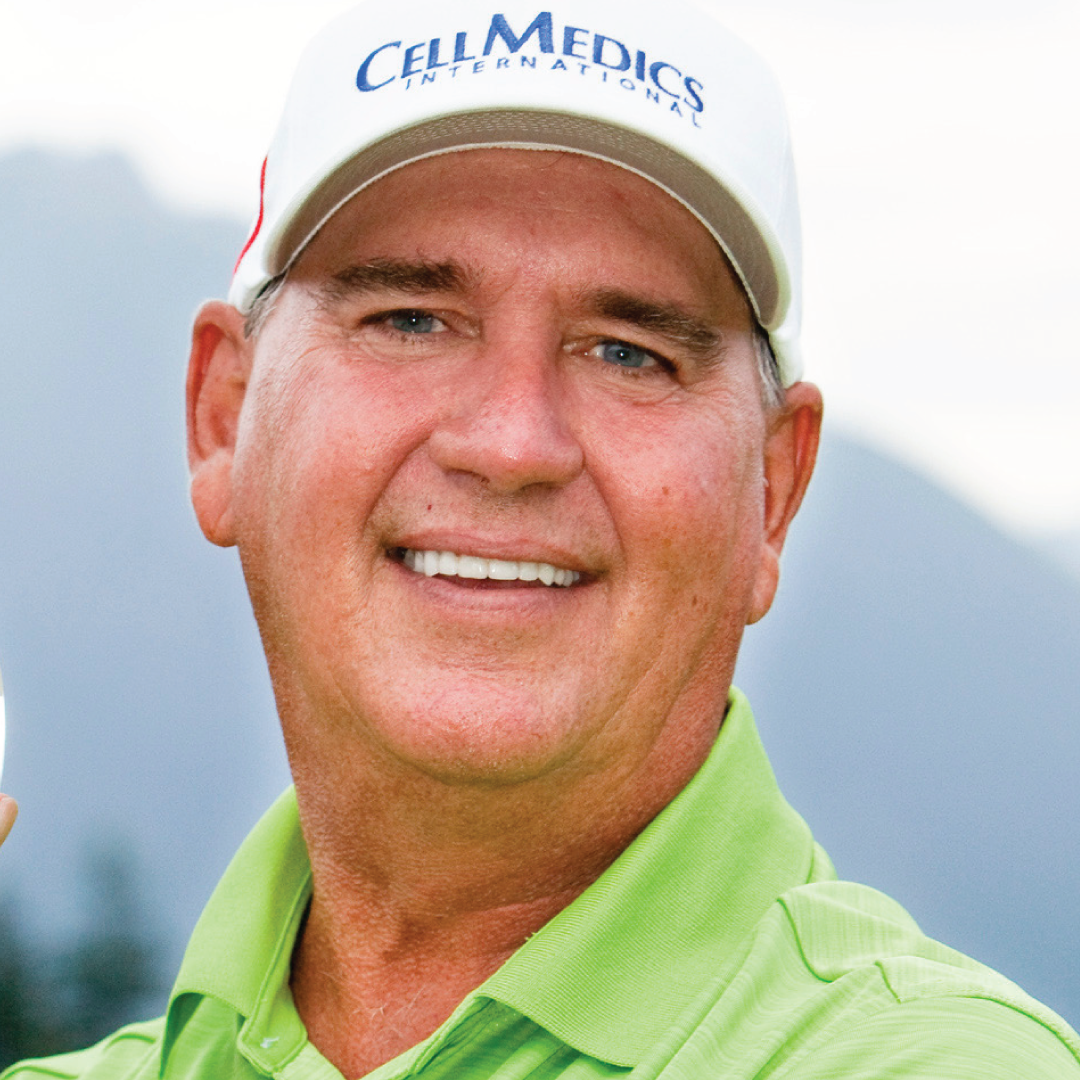
Author Bio John Riegger spent 35 years as a professional golfer on the PGA Tour, Web.com Tour (now Korn Ferry Tour) and the Champions Tour. He was an All-American collegiate golfer at Lamar University in Texas. He’s coached Tour players, high schoolers and adult amateurs. He now resides in his hometown of Metropolis, Illinois, teaching in nearby Paducah, Kentucky. You can learn more at Rieggergolf.com.