
I’ve spent nearly 40 years working for a technology company, so I’ve always been an early adopter. I remember keeping electronic pitch scores on a Palm Pilot back in the 1990s with Digital Scout, test-piloting GameChanger when it was just a two-person startup, and using VCR tapes for self-video analysis during my playing days.
Over all those years, one fundamental truth hasn’t changed: Technology used in coaching baseball is only as good as its efficiency.
As a pitching coach, my time on the field or in the tunnel is precious. I measure software success by two metrics: clicking less and checking less. If a tool makes the capture process seamless and fast, I’ll use it every single day.
That’s where Onform has become the central lynchpin of my coaching ecosystem.
Entering Prove Mode: Bridging Perceptions and Reality
Talk is cheap today. You can tell a player until you’re blue in the face that they’re opening up their front hip too early or flying open at foot strike, but athletes often experience a stark disconnect between what they think they are doing and what they are actually doing.
I call this moving into “Prove Mode.”
I never conduct an evaluation without pulling out a camera. When a player looks great in a cage session but struggles during a game, I bring up comparison videos in Onform. Showing a player side-by-side or slow-motion video gives them concrete evidence.
Video removes subjective opinion and provides objectivity. It helps build instant credibility not just with the athlete, but also with parents who are investing time and resources into their child’s development journey.
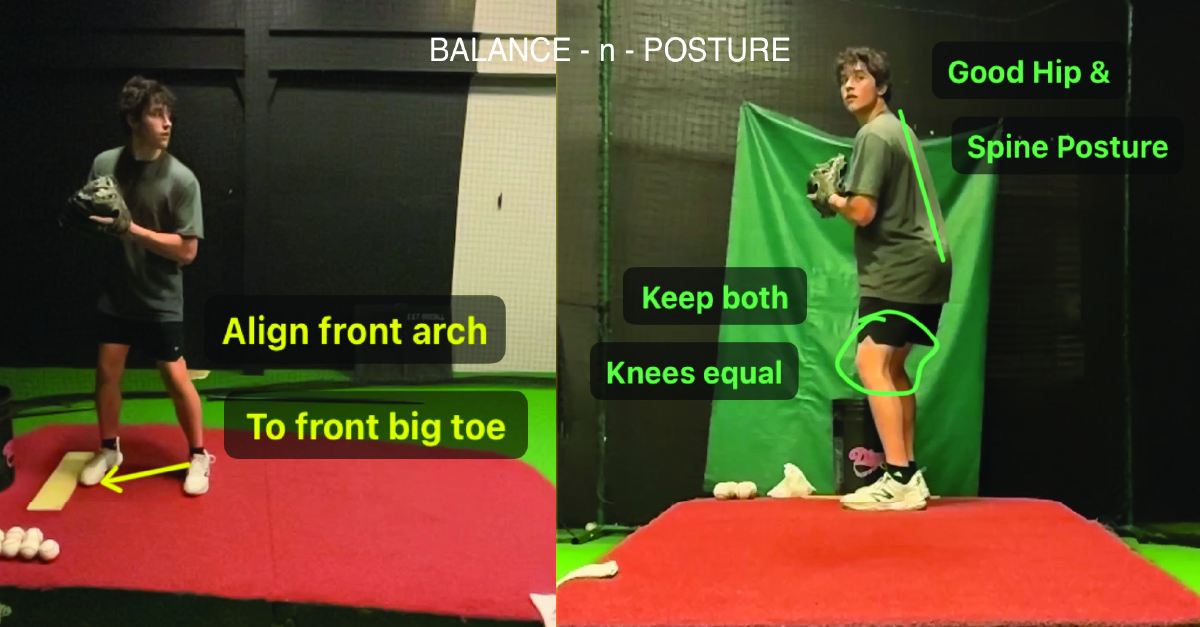
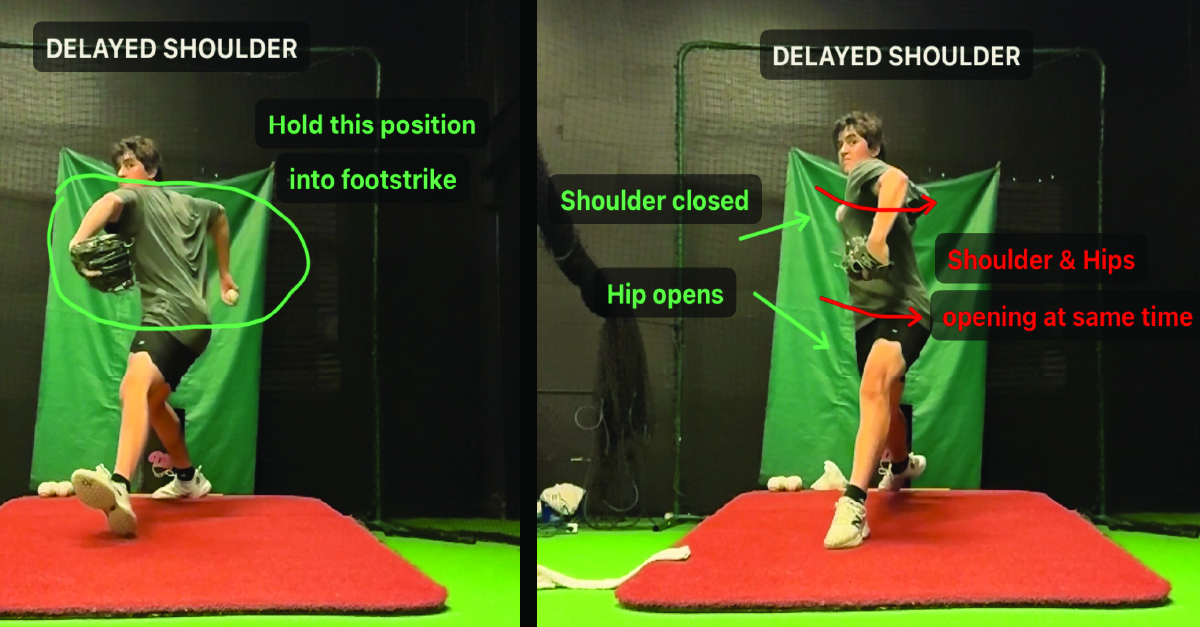
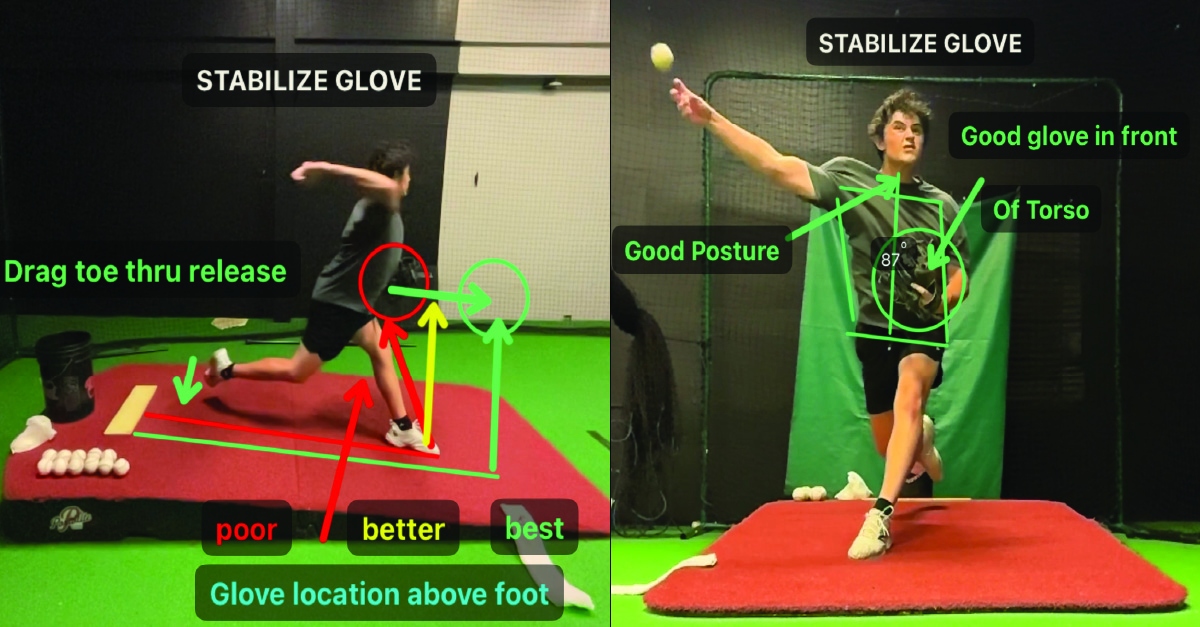
Dynamic Field Portability and Multi-Camera Capture
Unlike facility coaches who rent the same tunnel 24/7/365, my workflow demands portability. One day I’m in an indoor tunnel. Next, I’m out on a grass field. I don’t travel with generators or complicated wiring rigs — just a battery bank (like a 20,000 mAh portable pack), a router setup, and my mobile devices.
Using Onform’s multi-camera feature, I capture pitches simultaneously from two key angles: front and side (or occasionally rear).
Capturing synced multi-cam footage was once a tedious process where you had to record five pitches from one angle, move the tripod, record five pitches from another, and hope the mechanics matched.
Auto-detect multi-camera capturing eliminates that hassle. I get the exact same pitch, frame-for-frame, from two distinct perspectives simultaneously.
Pro Tips for Field and Tunnel Capture
- Lighting Matters for Frame Rates: If you want to slow down video to 1/4th or 1/8th speed to inspect delicate finger placement on a baseball seam, natural outdoor lighting is king. When working indoors, ensure your facility uses high-grade, daylight-colored LEDs to allow smaller shutter apertures and clear frame clarity.
- Power Management: Continuous video capturing and auto-detect processing will rapidly drain tablet batteries. Always equip each capturing device with its own external mobile battery bank.
Creating a Central Hub for Modern Remote Coaching
Since 2020, client expectations around remote instruction have completely transformed. Rather than scattering videos across text messages, emails, or third-party links, having a centralized delivery hub keeps everything organized.
For remote assessments with National Pitching, Onform serves as my operational backbone:
- Pre-Session Review: Clients submit video ahead of time directly into Onform.
- Analysis and Voiceovers: I use markup line tools, side-by-side video comparisons, and voiceovers to break down mechanics frame-by-frame.
- Turnaround and History: Because cloud integration and administrative workflows are seamless, I can typically turn around complete player assessments within a 24-hour window.
More importantly, it provides a chronologically timestamped record of player development over months and years. When parents look back at the developmental journey, they see clear, documented progression — turning what could feel like an expense into a long-term investment in self-coaching.
Onform’s Team Listens to Coach Feedback
At the end of the day, all rotational sports share similar mechanical principles — whether you are swinging a golf club, throwing a punch, or delivering a pitch. Generating rotational force relies on precise body angles and kinetic sequencing.
In my opinion, what makes coaching technology successful isn’t flashy code. It’s software developers actively listening to operational use cases on the ground. That’s something the Onform team does extremely well.
By focusing on reduced clicks, rapid capture, and clear delivery, video analysis ceases to be a hassle and becomes an indispensable daily tool in my coaching.
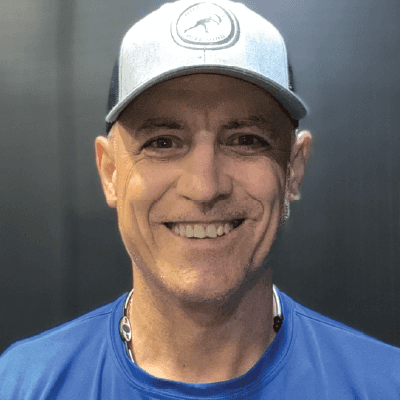
Rich Sammon has coached pitchers in the New York Tri-State area for over two decades. For more than 15 years, Rich has been affiliated with National Pitching / Tom House Sports. In his coaching practice, he relies on Tom House for the science of pitching, and pulls from his own collegiate pitching background and tech-forward approach for the art of pitching.